- About
- Support
- Celebration of the Arts
- Grants
- Programs
- News & Media
- Advocacy & Research
- State of the Sector in 2026
- 2025 ArtsFund Grantee Listening Sessions Program Overview
- Livability Impact Study of the Arts
- Policy & Advocacy Resources
- Building for the Arts
- How are the Arts Being Funded Today?
- What do Expenses Look Like Today?
- COVID Arts Sector Impacts
- COVID Cultural Impact Study
- Social Impact Study
- Economic Impact Study
Grace’s Mahali – 2025 Accelerator Case Study
Grace’s Mahali
Organization Name: Grace’s Mahali
Website: www.gracesmahali.org
Budget Size: $25K – $50K
Region: Northwest
County: Jefferson
Artistic Focus Area: Multidisciplinary
Community Accelerator Grant Awards: $25,000 in 2025
Primary Impact Category: Financial Impact
Mission Statement: Grace’s Mahali supports rest, creativity, and cultural connection by centering BIPOC, LGBTQ+, and disabled artists through community-driven programming, wellness, and the arts.
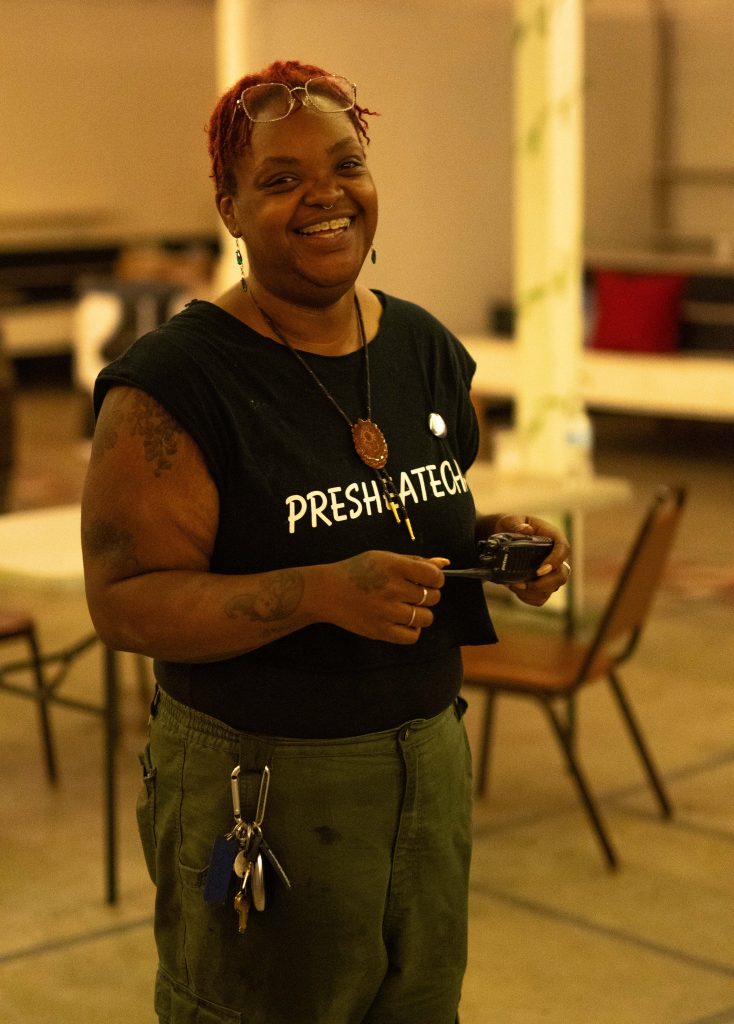
Grace Bias joined ArtsFund for a Zoom conversation from her kitchen, where she was hard at work on a feast of turkey wings, roast chicken, stuffing, sage cornbread, mushroom soup, and cake, all of which she planned on sharing at a community event in Port Townsend that evening. “I think that people come to you more relaxed when they’re fed,” she muses, while expertly juggling roasting temperatures, baking sheets, and a full stovetop. “Dinner and a show is the best way to get your mission across. That’s really been my thesis statement.”
Raised in Tacoma but born in the South, Grace believes that hospitality is a tool—and a way of life— that is underutilized and undervalued in the arts. Grace’s Mahali, founded in 2021, is her way of offering rest to artists and creatives from marginalized communities in urgent need of time and space for decompression. “There’s nothing more intimate than sharing music and art with people,” she says, “and sometimes that work comes out of desperation or frustration or lack of resources. But people dismiss the needs of artists. They’ll say, ‘Well, didn’t you choose to be a musician?’ Especially during the pandemic, I noticed how many creatives had to go outside of the box and rebuild and relearn their processes, and I saw a lot of people and organizations take that work for granted. My goal is to give artists rest in beautiful rural spaces, to show them that there are still pockets where they can be safe and cared for and loved.”
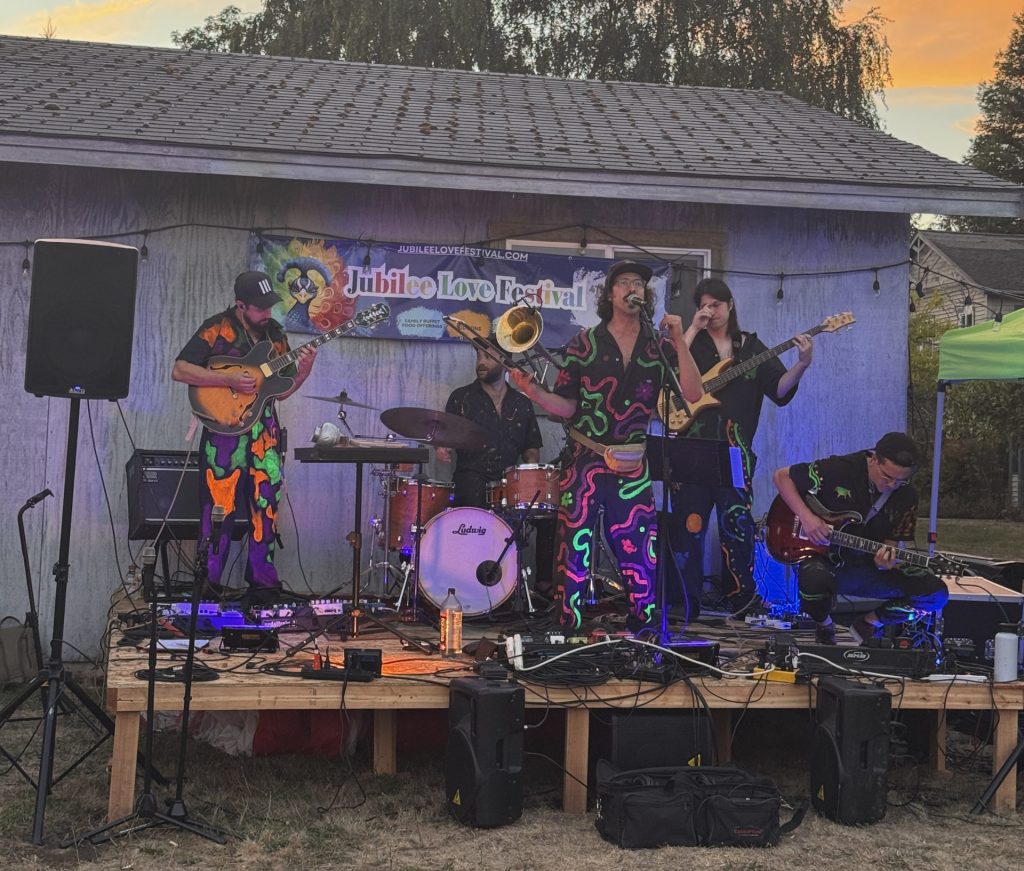
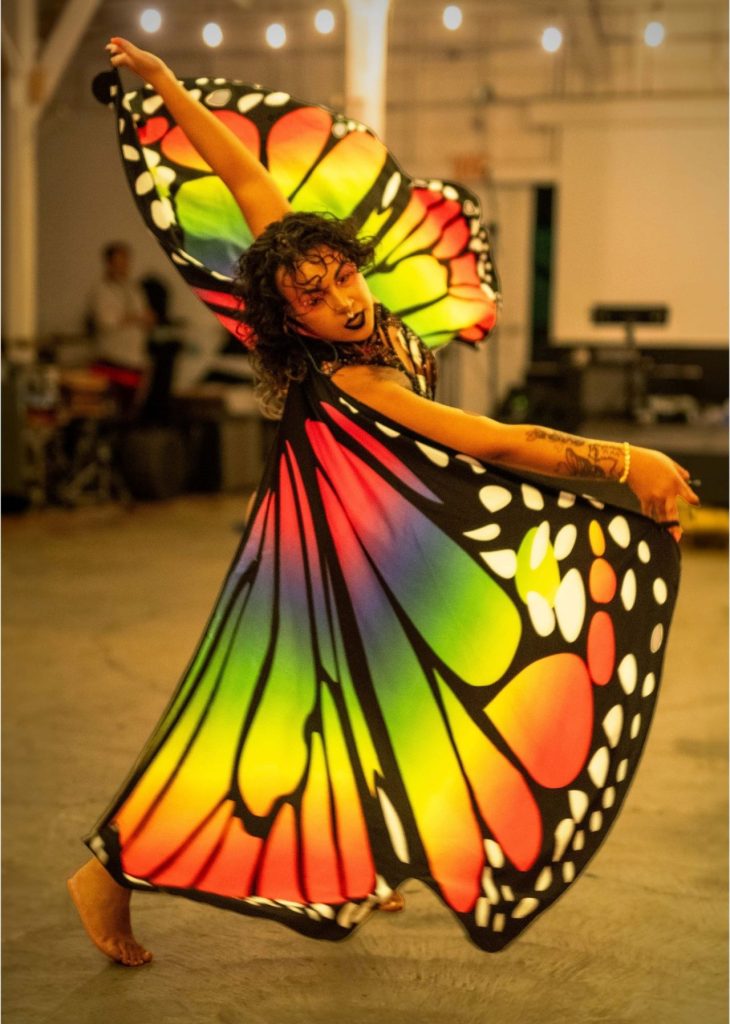
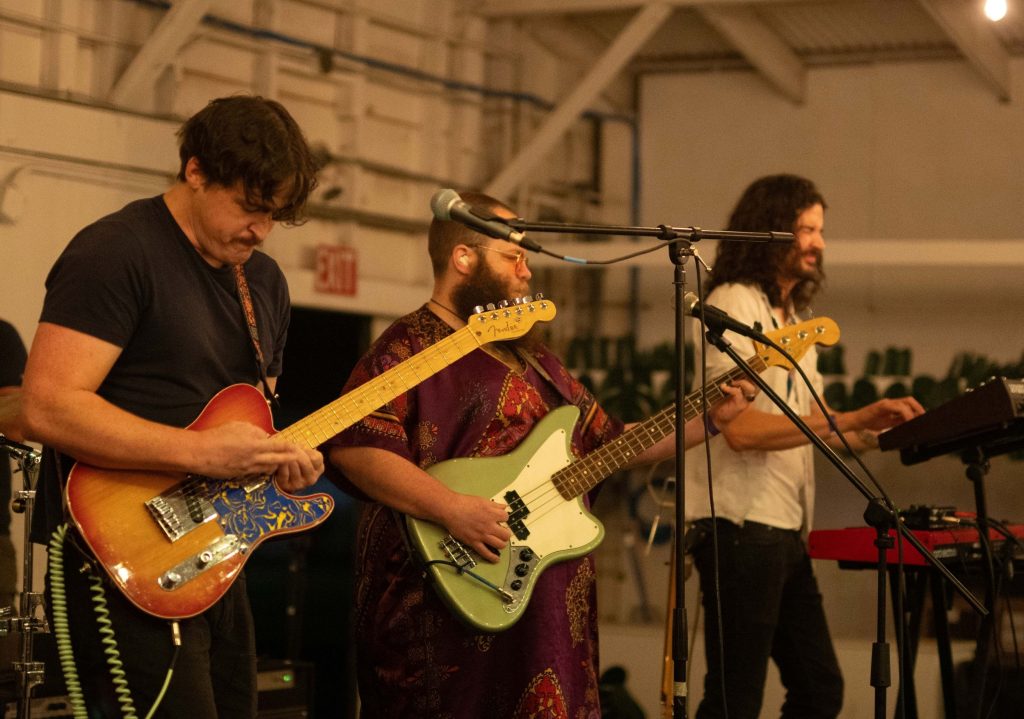
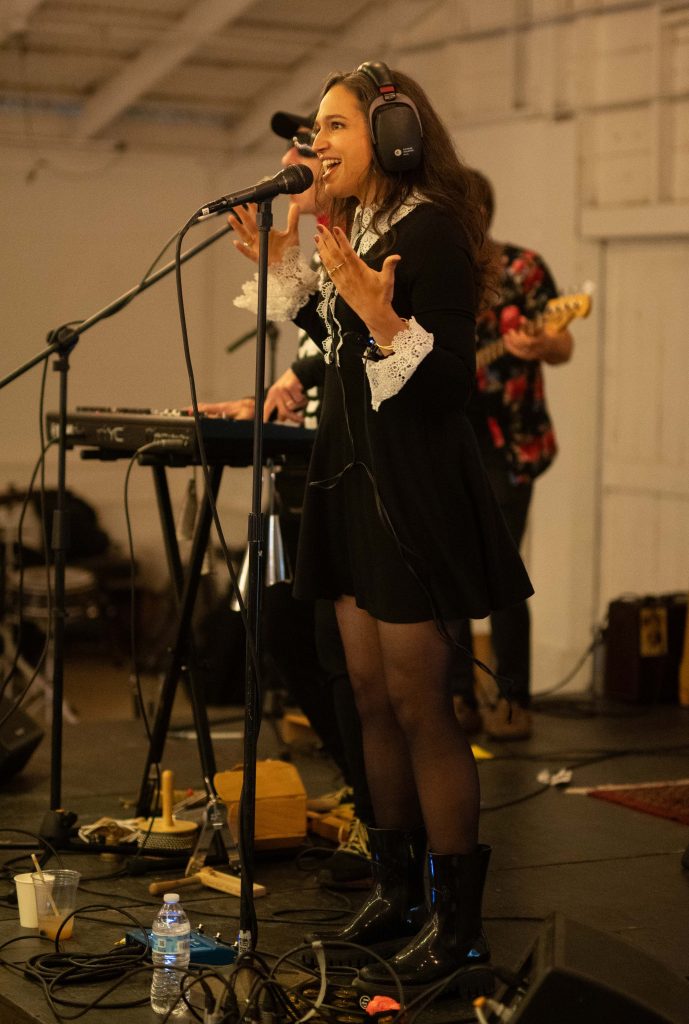
Grace’s Mahali aspires to offer year-round retreats for BIPOC, LGBTQ+, and disabled artists from all over the world, centered on home-cooked meals and the majesty of Washington’s wilderness. “Maybe you need some time in the woods,” says Grace, “so I’ll find you a trail to walk or set you up for a soak in a saltwater tub. Maybe you need some time alone on the porch drinking homemade chai and eating a fresh honey bun. Maybe you just need to lay on the floor of the living room. [Grace’s Mahali] is my metaphorical home, and when you come into my home, open the fridge, get yourself a soda, go take a bath. Rest.” While Grace’s Mahali is still scaling up to size, these retreats are currently limited to the annual Jubilee Love Festival, a summer event featuring rest, rejuvenation, and performances by musicians from across the West Coast—and, of course, a truly epic meal for artists and attendees alike. While Grace notes the many challenges she has encountered in trying to draw attendees to her corner of Washington for an unknown quantity of a music festival, she is optimistic that the care and attention she, her board, and her cadre of supportive volunteers are putting towards marketing will pay dividends this August.
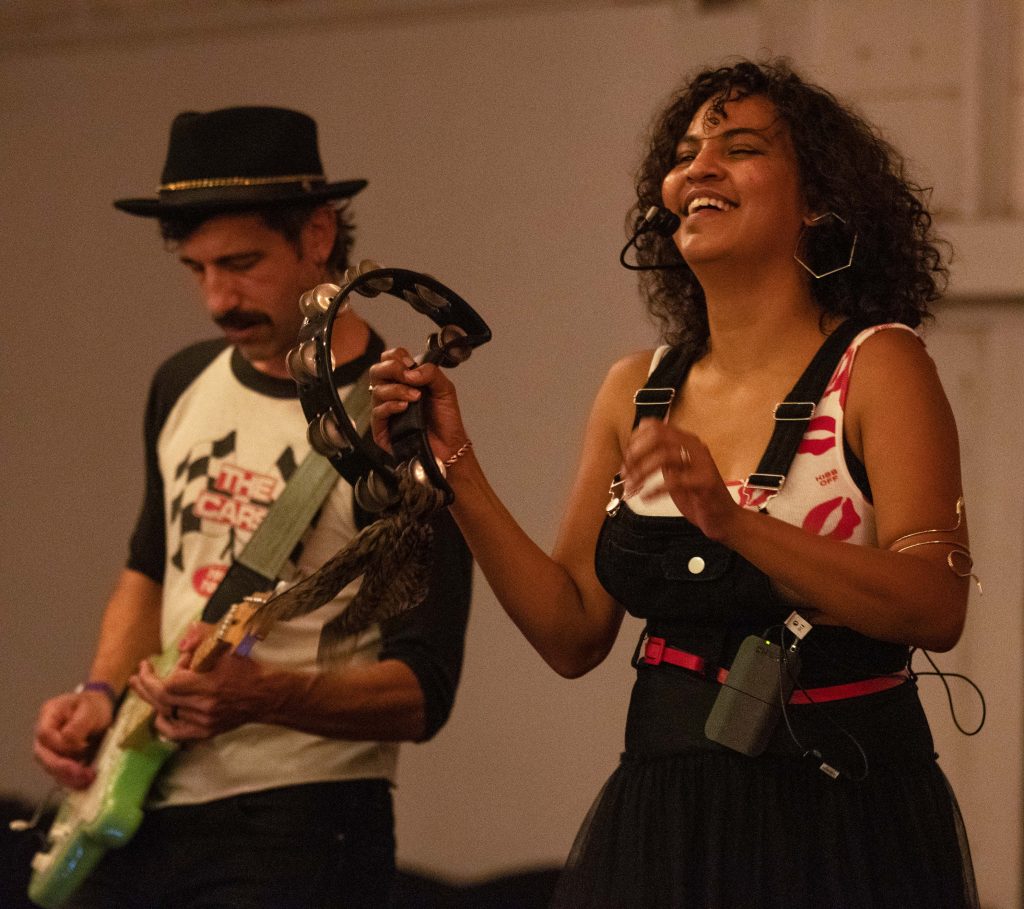
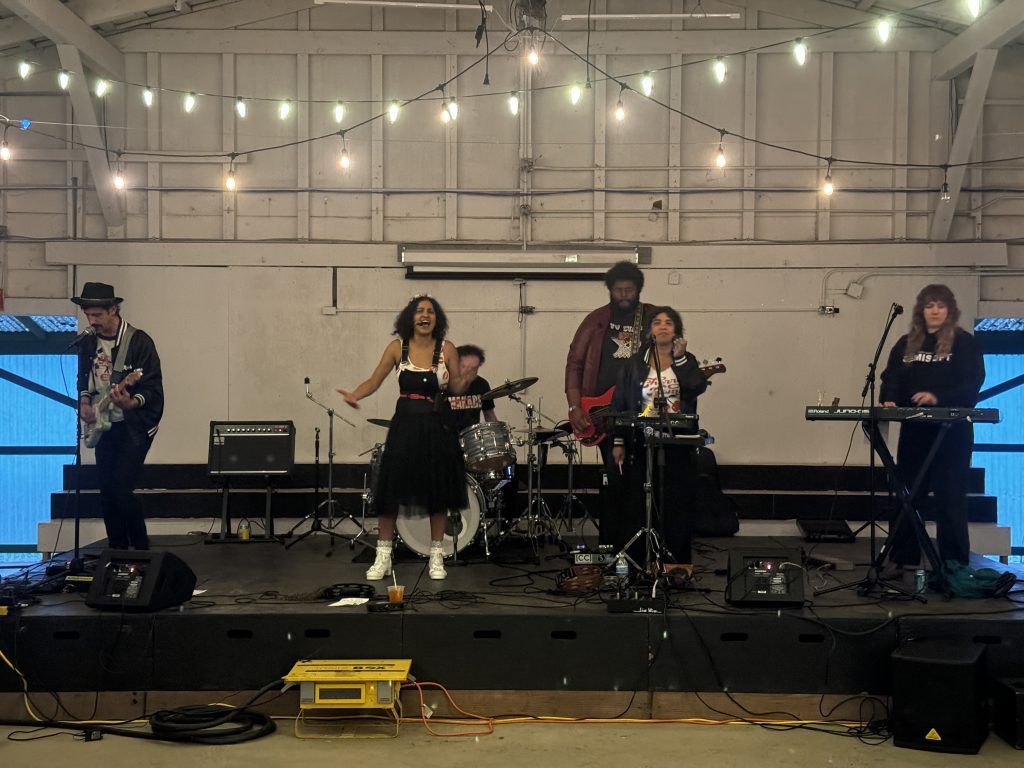
Taking a Chance on a Brand-New Artists’ Retreat
The Community Accelerator Grant has enabled Grace to seek and procure $8,500 in additional grants, many of which only disburse awards on a reimbursement basis and have significant restrictions regarding how funds can be spent. As the Executive Director and sole employee of Grace’s Mahali, Grace credits the Community Accelerator Grant for offering unrestricted funding and paying out awards up front, which she says feels far friendlier and more sustainable for a younger, smaller organization navigating startup-era cash flow challenges. Their 2025 award has primarily gone towards fronting the cash for reimbursement grant expenses and stabilizing their finances in advance of a major fundraising push, which Grace hopes will not only increase the scope of the Jubilee Love Festival, but allow her team to start looking seriously for a space that will allow them to house and feed artists year-round. Community Accelerator Grant funding has also made it possible for Grace to research and invest in new safety measures, a focus area she considers an unfortunate necessity when bringing BIPOC, LGBTQ+, and disabled artists into a rural community: “We’re a small, new organization that people don’t understand yet, and to some, what we’re doing seems pretty radical.”
As a nonprofit founder who herself identifies as Black, queer, and disabled, Grace has found it challenging to build relationships with funding entities who she senses aren’t used to seeing people like her in power, especially outside of more metropolitan areas. “Some groups will only fund the same organizations over and over again,” she says. “They won’t take a chance or a risk on something that has shown, even on a small scale, that it could be beneficial. I keep hearing, ‘Oh, what you’re doing is too new.’” She laughs. “Treating artists really well is too new?” She believes the statewide reach and specific intention of injecting funding into rural counties to be the most innovative thing about the Community Accelerator Grant: “I’ve lived in Seattle, I’ve paid my dues in Seattle, I play most of my shows in Seattle. But most of my friends who are working artists have been priced out of Seattle.”
On receiving a $25,000 Community Accelerator Grant award: “I thought I was dreaming, to be honest. I’ve worked so freaking hard. I won’t get emotional about it, but it proved that what I’m doing is not in vain. It’s helped tremendously and I don’t know what I would have done without it.”
- Grace Bias, Executive Director and Founder
Over the next few years, once her year-round artist residency is up and running, Grace plans to use her Doctorate in Educational Leadership to expand Grace’s Mahali into a school for creative arts and trades such as cooking and mechanics, emphasizing the importance of rest and offering a wide variety of teaching styles. “I’m neurodivergent,” she says, “And the world would have been a lot softer on me if that diagnosis was not only ‘for’ white males. I internalized a lot of things that had nothing to do with me [growing up], because the system was not looking out for me.” She sees the irony in the road she has laid out for herself – offering care and rest to others at the scale she envisions will inevitably mean sleepless nights and thankless days of administrative work. “Yes,” she admits, “I’m pushing myself to, maybe past, my limit. But it’s because I don’t want that for people who can change the world with their art.”
And with that, the cornbread is out of the oven, and Grace is off for dinner and a show.