- About
- Support
- Celebration of the Arts
- Grants
- Programs
- News & Media
- Advocacy & Research
- State of the Sector in 2026
- 2025 ArtsFund Grantee Listening Sessions Program Overview
- Livability Impact Study of the Arts
- Policy & Advocacy Resources
- Building for the Arts
- How are the Arts Being Funded Today?
- What do Expenses Look Like Today?
- COVID Arts Sector Impacts
- COVID Cultural Impact Study
- Social Impact Study
- Economic Impact Study
Union Arts Center – 2025 Accelerator Case Study
Union Arts Center
Organization Name: Union Arts Center
Website: https://www.unionartscenter.org/
Budget Size: Greater than $5M
Region: Northwest
County: King
Artistic Focus Area: Theatre
Community Accelerator Grant Award: $5,000 ($2,500 to each organization)
Primary Impact Category: The Future
Mission Statement: As we progress on our journey with our new merged organization, we are taking time to determine our mission, vision, and values. ACT Contemporary Theatre’s Mission: ACT is a contemporary theatre where artistic ambition and civic engagement unite. Seattle Shakespeare Company’s Mission: With the plays of William Shakespeare at our core, Seattle Shakespeare Company engages our audiences, our artists, and our community in the universal human experience inherent in classic drama through the vitality, immediacy, and intimacy of live performance and dynamic outreach programs.

On a weekday afternoon in downtown Seattle, the halls of 700 Union Street are humming with the sound of possibility. The space might look familiar to longtime theatergoers who have climbed its stairs or gathered in its lobby in years past, but something fundamental has changed. This building, once home to A Contemporary Theater (ACT) and later a shared base for both ACT and Seattle Shakespeare Company, is now the stage for a new vision in Seattle theatre.
Union Arts Center is only six months old, yet it carries nearly a century of artistic legacy in its walls. Born from a merger of two of Seattle’s most venerated theatre institutions, A Contemporary Theater (ACT) Seattle Shakespeare Company (SSC), it represents a bold and hopeful reimagining of what the future of Washington arts organizations can look like.
A Creative Solution
The merger came to fruition amid a period of acute financial strain across the performing arts sector. In Seattle and nationwide, theaters continue to navigate the long shadow of the pandemic, rising production costs, shifting audience habits, and an increasingly competitive funding landscape. Some organizations have responded with ingenuity, experimenting with new models of collaboration and shared services. In 2024, peer organizations Seattle Rep and Seattle Children’s Theatre launched a shared Box Office and Administrative Services model, a major collaboration within the Seattle theatre landscape, which allows both organizations to remain open to patrons year-round at just half the staffing cost. For ACT and Seattle Shakespeare Company, this moment prompted parallel realizations that the operational models which had sustained them for decades were no longer sustainable, prompting each to explore new paths forward. The formation of Union Arts Center stands out as the most significant structural shift the Pacific Northwest theatre community has recently seen.
From the outset, Union Arts Center’s leadership understood that this work would draw close attention. As General Manager Alyssa Montgomery notes, “Colleagues around the country are watching us. Collaboration and creative problem solving are going to be essential for the future of the arts.” That awareness has shaped the merger’s early months, guiding decisions made with care, transparency, and intention. A Mission, Vision, and Values committee composed of staff from across departments meets regularly to articulate the organization’s shared identity, while leadership prepares for a national search for a new Artistic Director to steward this next chapter.


Honoring Legacy While Building Forward
Rather than continue forward as two separate institutions working against similar barriers, ACT and Seattle Shakespeare chose partnership. Union Arts Center is the result of that decision, built on the combined histories, capacities, and artistic visions of both entities. As Institutional Development Officer Annie Lareau observes, “The most exciting thing is seeing how these mergers and shifts will reshape the community. It is exciting and a little scary, but the path to resilience is clear.”
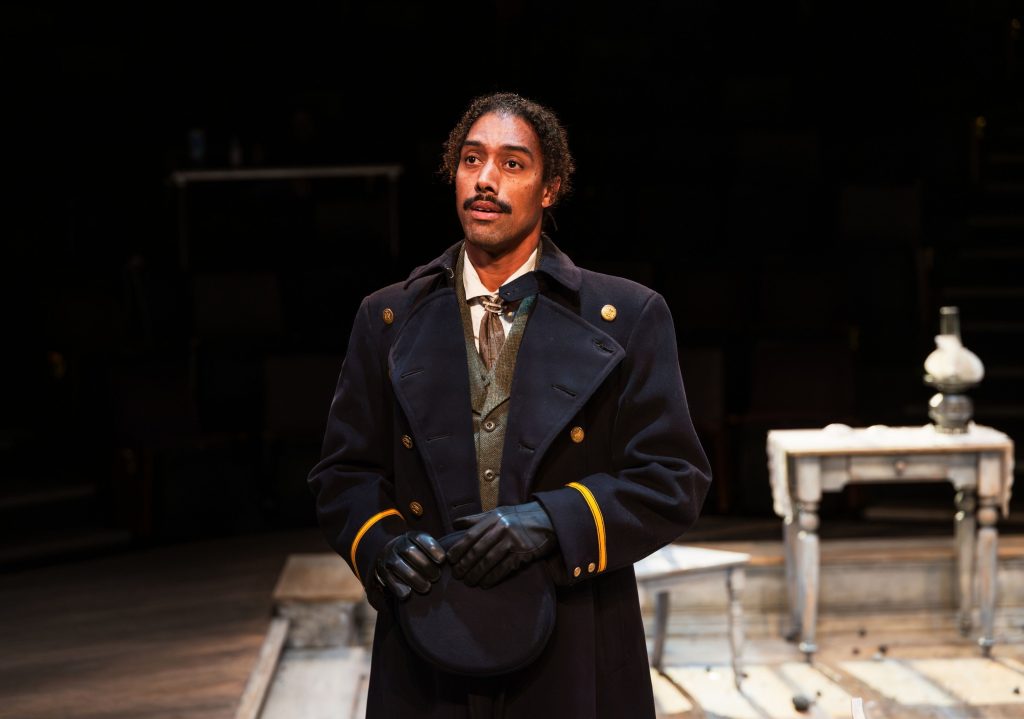
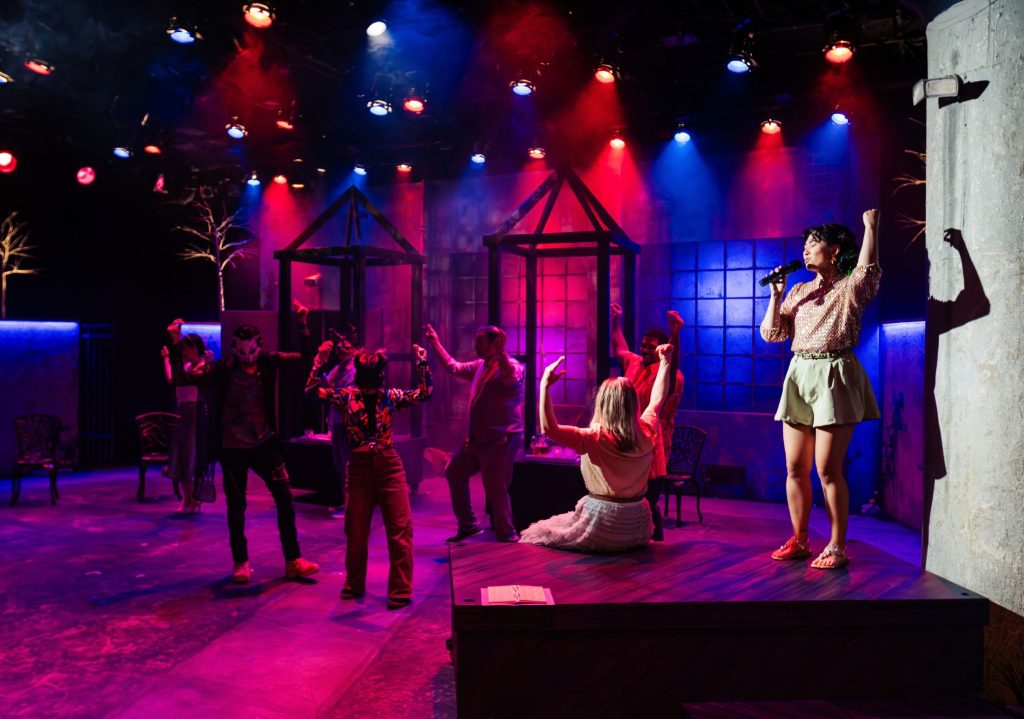
At the same time, Union Arts Center continues to deliver an ambitious artistic season. During the winter holidays, audiences fill the lobby for A Christmas Carol and the Dina Martina Holiday Show, creating a vibrant mix of families, artists, and longtime theatergoers. A new production of A Midsummer Night’s Dream is underway, alongside the second staging of Jiehae Park’s The Aves, supporting the continued development of a playwright whose work is gaining national attention. The education tour, a hallmark of Seattle Shakespeare’s outreach, is returning under the Union Arts Center banner, bringing Romeo and Juliet to students across Washington who may have limited access to live theater.
Sustaining this level of production while simultaneously undertaking the work of institutional integration is no small feat. As Montgomery jokes, “We are not bored.” Beneath the humor lies the reality of a staff balancing day-to-day artistic excellence with the complex structural labor of merging two organizations.
“We’re not a one-year-old organization. [ACT] is a 50-year or 60-year-old organization. And Seattle Shakes was 35. So when you put that together, it’s almost 100 years of collective experience to formulate something new. And… that’s really unprecedented. Even as I talk nationally with colleagues, they’re contemplating something very similar. Because the reality of arts funding in this country is that we can’t go it alone.”
- Alyssa Montgomery, General Manager
The Impact of Flexible, Trust-Based Support
In this moment of reinvention, unrestricted funding has played a critical role. The Community Accelerator grant has supported general operations, helping to keep the historic building open, advance wage equity, and give staff the capacity to focus on mission-driven work. While modest relative to Union Arts Center’s eight-million-dollar budget, the flexibility of the funding has been especially meaningful during a year defined by transition. As Annie reflects, “Right now, you know, it’s about keeping lights on for many, many organizations… trusting that organizations know how to best use their money is incredibly helpful.”
Unrestricted support is especially vital for programs that generate deep community impact without significant earned revenue. Wooden O, Seattle Shakespeare’s long running free outdoor summer series, exemplifies this challenge. The program brings professional Shakespeare productions to parks throughout the region, welcoming families, first-time theatergoers, and audiences who may not otherwise enter a traditional theater space. For many Washington children, Wooden O offers a first encounter with live performance. While the program is central to the organization’s commitment to access and inclusion, it has become increasingly difficult to fund through restricted sources. “When you don’t have access to specialized funding for something, then you need that general operating support,” Annie adds, to direct funds where they are needed most critically. When so much across the sector feels uncertain, investing in a program as enduring as Wooden O signals a deliberate choice to honor Seattle theatre’s past while building toward what comes next.
The prevailing tone within Union Arts Center is one of optimism. Leadership views the merger not only as a response to immediate pressures, but as an opportunity to model collaboration and resilience for the arts sector in Washington state and beyond. Within its historic walls, Union Arts Center is weaving together two artistic legacies into a shared future grounded in imagination, adaptability, and collective purpose.